
Kitchen worktops are more than just functional surfaces — they play a vital role in enhancing the aesthetics of your kitchen while providing the space needed for everyday tasks like food preparation, cleaning, and storage.Among the many worktop materials available, quartz and porcelain worktops have gained out a distinctive place for themselves due to their unique characteristics and versatile appeal.
However, choosing between these two options isn’t always straightforward. The ideal choice often depends on factors such as your lifestyle, design preferences, and the level of convenience you seek.
To make an informed decision, it’s essential to understand the key differences between quartz and porcelain worktops.
Let’s explore the important factors that can help you select the best fit for your kitchen.
Look and Feel
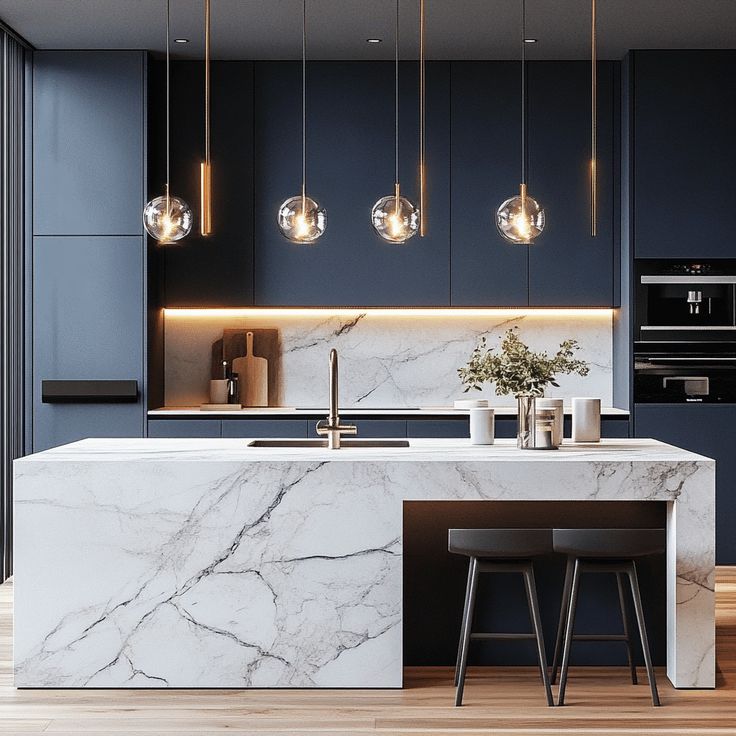
Quartz worktops are known for their smooth, even finish and consistent colour patterns, giving your kitchen a clean and uniform appearance. This makes quartz an ideal choice for those who prefer a simple yet sophisticated look.
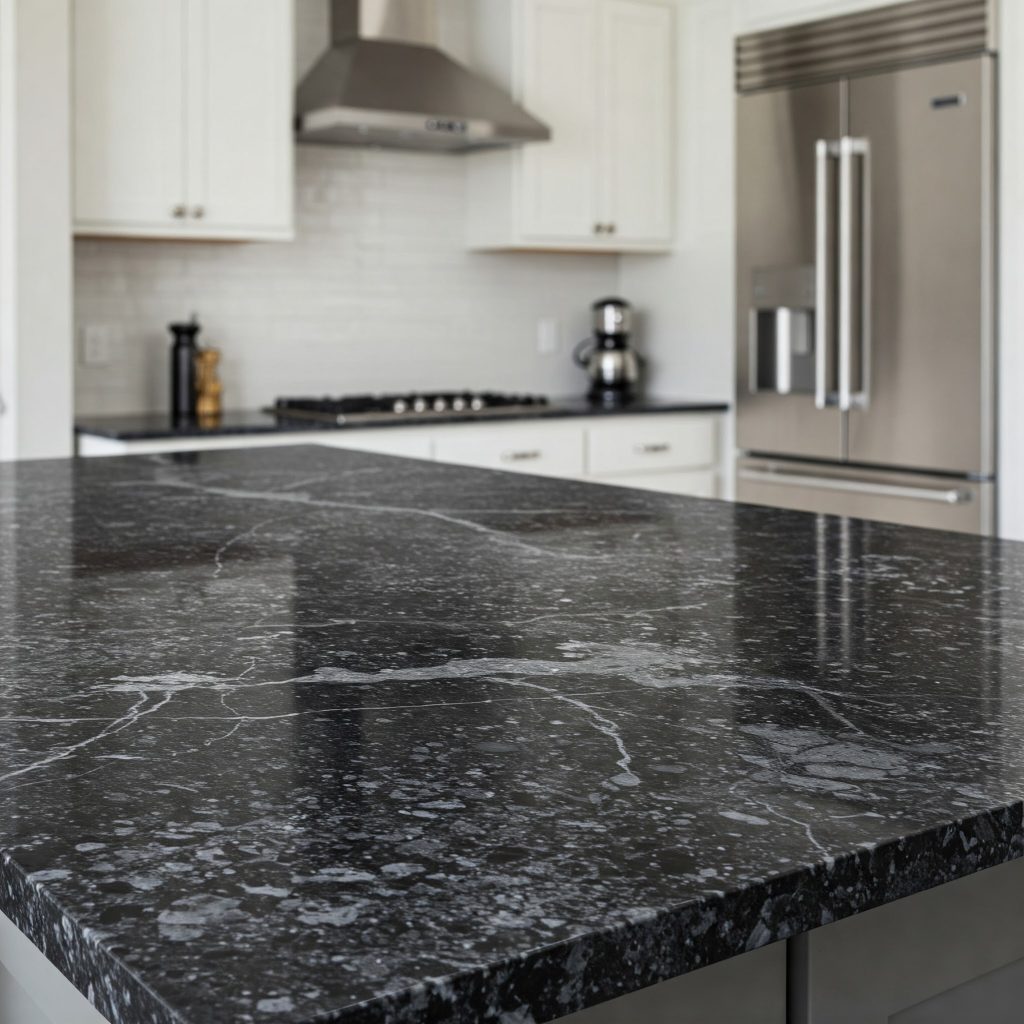
On the other hand, porcelain kitchen worktops offer greater variety in colors, patterns, and finishes, making them a popular choice for homeowners who want to add a touch of elegance and fashion to their kitchen. If you enjoy bold designs or prefer a statement look, porcelain worktops provide the versatility to achieve that.
Maintenance
Both quartz and porcelain worktops are easy to maintain, requiring only a soft cloth, warm water, and mild soap to clean stains and spills — no special sealing or harsh chemicals are necessary that makes them an outstanding choice of countertops for homeowners
However, quartz has an advantage in terms of durability against chipping and cracking, especially around the edges. Porcelain worktops, while equally easy to clean, are more prone to edge chipping, which may require extra care during handling.
Durability
Both Quartz and Porcelain kitchen worktops are non-porous materials, offering excellent resistance to stains, spills, and scratches — ideal for maintaining a hygienic kitchen environment.
While both are heat-resistant, quartz worktops may experience discoloration if exposed to intense heat for prolonged periods. Porcelain, on the other hand, is better suited for kitchens with frequent heat exposure, making it a practical choice for busy cooking spaces.
If you frequently use heavy cookware, quartz is generally more durable under weight, providing better resistance to impact compared to porcelain.
Comfort and Convenience
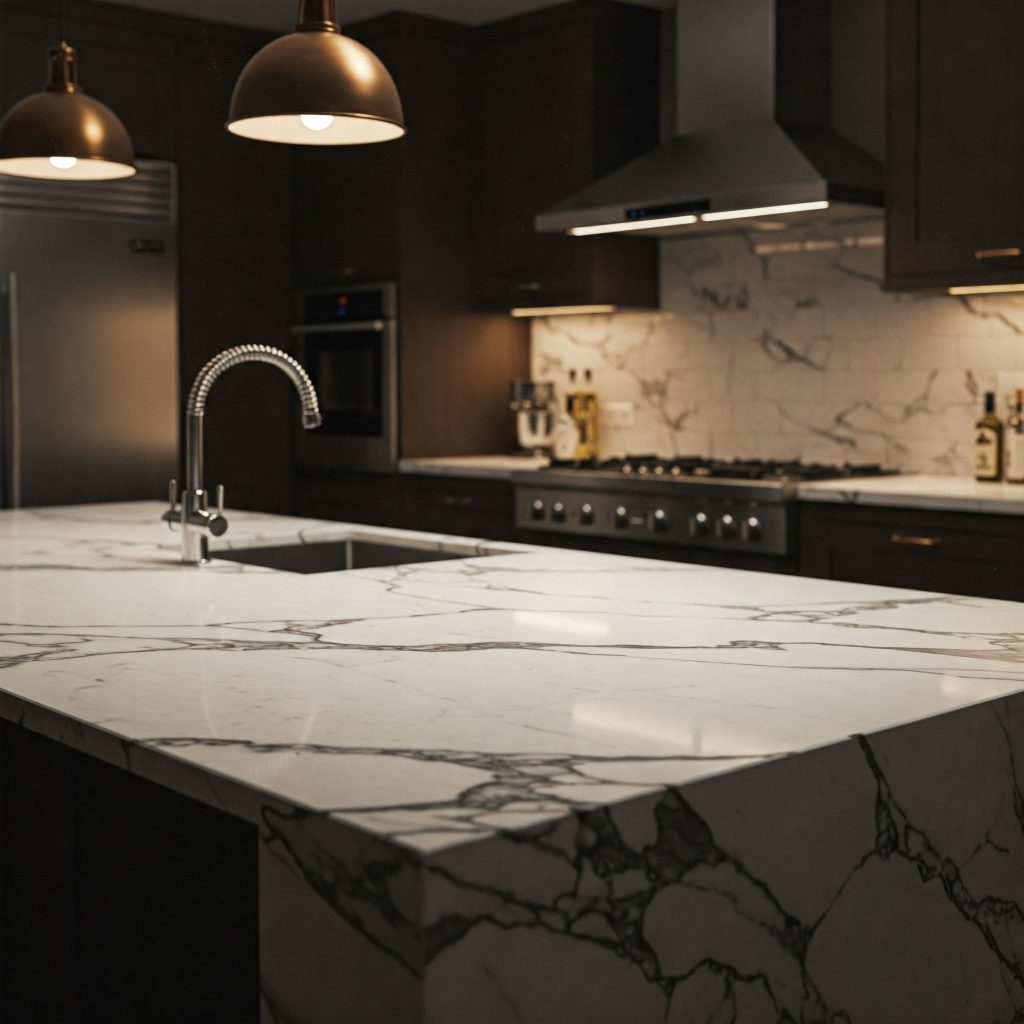
Quartz worktops are highly convenient for maintaining a clean and hygienic space but require some caution when placing hot pots directly on the surface to avoid damage.
Porcelain worktops, in contrast, are better equipped to handle direct heat but may require extra care to prevent chipping, especially at the edges, when handling heavy items.
Cost and Installation
Porcelain worktops are generally more affordable than quartz, making them a budget-friendly option for those seeking style and functionality. Additionally, porcelain worktops can often be installed over existing surfaces, reducing installation costs and time.
While both materials require professional installation for the best finish, this added flexibility makes porcelain a favourable choice for cost-conscious homeowners seeking a seamless upgrade.
Final Thoughts
Choosing between quartz and porcelain worktops ultimately depends on your lifestyle, design preferences, and how you use your kitchen. Quartz excels in durability and resistance to weight, while porcelain offers superior heat resistance and design versatility. By considering these factors, you can select the ideal worktop that enhances both the beauty and functionality of your kitchen.


